
SCRMET
How investors can drive reductions in emissions?
INDUSTRY NEWS
05.05.2026
05 May, 2026
Investors play a critical but underrecognised role in shaping emissions outcomes in the oil and gas industry. While many rely heavily on company disclosures, those disclosures are often incomplete, inconsistent or misleading. Independent, real-time satellite data on gas flaring provides investors with a powerful tool to validate disclosures, challenge assumptions, and identify risks before they become business-critical. We argue that emissions data should not be treated merely as a compliance exercise, but as a source of strategic leverage. We therefore propose five key questions that every investor should be asking oil and gas executives.
Investor influence
The oil and gas industry remains central to the global energy system. According to the IEA, around 90% of the roughly $570bn in annual upstream capital expenditure is required to maintain production. Financiers and investors — ranging from banks and pension funds to private equity, insurers, and retail shareholders — hold enormous influence. Gas flaring illustrates the problem. Despite decades of initiatives and pledges, global flaring volumes and intensity have barely changed in 15 years. Investors face scrutiny from regulators, NGOs, employees, and the media.
Why quality data matters
Effective investor stewardship depends on data that is available, reliable, and transparent. Quality data builds trust, enables accountability, and supports meaningful engagement. The risks of poor disclosure are real. In one high-profile case, an undisclosed gas leak uncovered during due diligence led a buyer to walk away from a major acquisition, wiping billions off the target’s market capitalisation. This episode underscores a simple truth: emissions risks can become valuation risks overnight.
Investors must therefore stop taking emissions disclosures at face value. Independent, measurement-based data allows them to validate what companies report, identify what they omit, and distinguish genuine performance improvement from cosmetic change.
The Opportunity and Scale of Gas Flaring
In 2024, global flaring reached around 151 bcm, according to World Bank satellite-based estimates, representing a major loss of energy value and a significant source of greenhousegas emissions.
Flaring persists for many reasons: weak regulation, limited infrastructure, financing constraints, technical challenges, and misaligned incentives. In some cases, unattractive economics or regulatory complexity delay action. But many of these barriers are surmountable.
Reporting Pitfalls
1. Incomplete asset inventories
Companies often fail to account for all sources, leading to understated emissions.
2. Inaccurate disclosure
Inaccurate information can lead to breaches of financing conditions and legal risks.
3. Inconsistent classification
No distinction is made between routine and upset flaring.
4. Missing entities: non-operated and other assets
Some assets remain outside reporting boundaries, concealing risks.
5. Lack of operational insight
Flaring is not only an environmental issue but also an indicator of operational condition.
Turning Data into Leverage
Excessive flaring wastes gas, increases costs and signals inefficiency. Investors using independent data can make more informed decisions.
Five Questions for Investors:
Scale and Scope: How much do you flare?
Data Quality: How confident are you in your figures?
Combustion Efficiency: How are you monitoring flare performance?
Structural Effects: Are reductions real or driven by structural changes?
Investment and Delivery: What investments are being deployed to meet these goals?
Opportunities Beyond Stewardship: Flare Monetisation
Many projects are economically viable. Flared gas can be used for power generation, pipelines or LNG. Such projects reduce emissions and strengthen energy security.
Conclusion
Investors are not bystanders. They are central actors. Their choices shape the direction of the energy transition. Independent and accurate data allows investors to validate company actions, identify risks and support sustainable development.
VISIT ALSO
TOP NEWS
INDUSTRY NEWS
13 Aug, 2026

INTERVIEWS
06 May, 2026
Strengthening Global Energy Dialogue: The Investor on Turkmenistan’s Rising Investment Profile
ENERGY
03 Jul, 2026
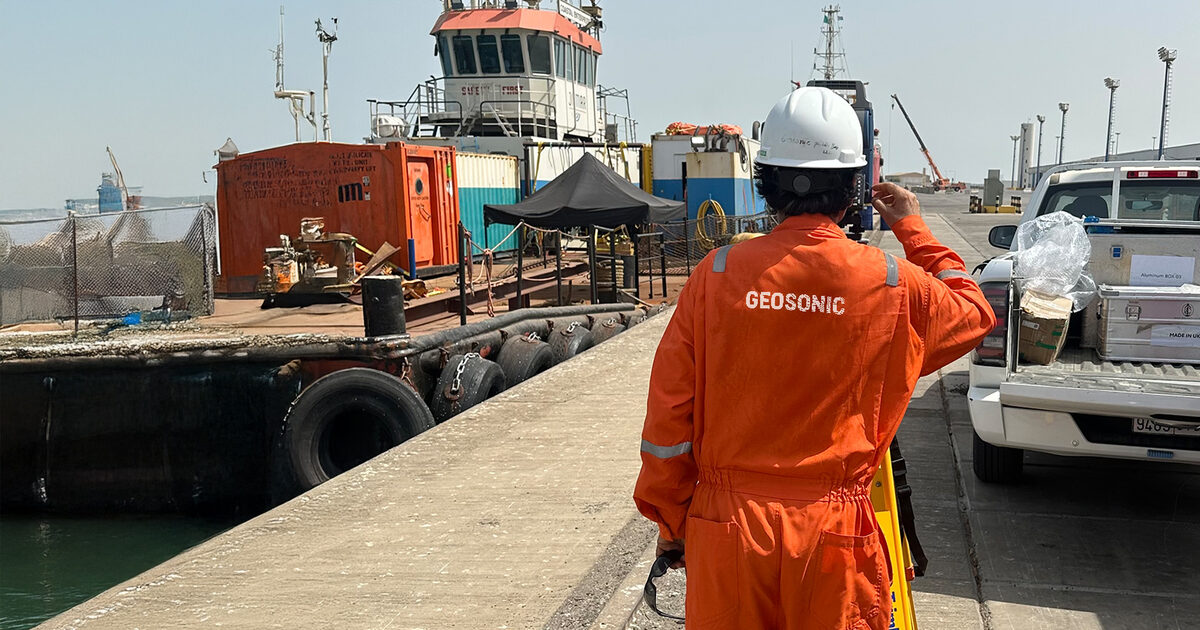
Geosonic to Survey More Than 200 Kilometers of Offshore Pipelines in Turkmenistan
TENDERS
30.04.2026
17.06.2026
Turkmengas Announces Tender for Purchase of Material and Technical Resources

Archabil Avenue 56, Ashgabat, Turkmenistan
01.05.2026
17.06.2026
Türkmennebit Reannounces International Tender for Automated Database System Modernization
Archabil Avenue 56, Ashgabat, Turkmenistan
01.05.2026
19.06.2026
Turkmengas Announces Tender for Purchase of General Plant Equipment
Archabil Avenue 56, Ashgabat, Turkmenistan
16.05.2026
02.07.2026
Türkmennebit Reannounces International Tender for Purchase of General Plant, Technological and Drilling Equipment
Archabil Avenue 56, Ashgabat, Turkmenistan
20.05.2026
03.07.2026
Turkmengas Announces Tender for Purchase of Material and Technical Resources
Archabil Avenue 56, Ashgabat, Turkmenistan
21.05.2026
06.07.2026
Turkmengas Announces Tender for Purchase of General Plant Equipment
Archabil Avenue 56, Ashgabat, Turkmenistan
02.06.2026
13.07.2026
Turkmengas Announces Tender for Purchase of Material and Technical Resources
Archabil Avenue 56, Ashgabat, Turkmenistan
02.06.2026
13.07.2026
Türkmennebit Reannounces International Tender Purchase of Chemical Products and Auxiliary Materials
Archabil Avenue 56, Ashgabat, Turkmenistan


© 2026 All rights reserved.
Contacts
-
 +99312414008
 -
+993 71 62 22 38
-
 R.C. «Gurtly» 63. Ashgabat, Turkmenistan
