
SCRMET
Localization and Trade Realignment
RESEARCH
06.05.2026
06 May, 2026
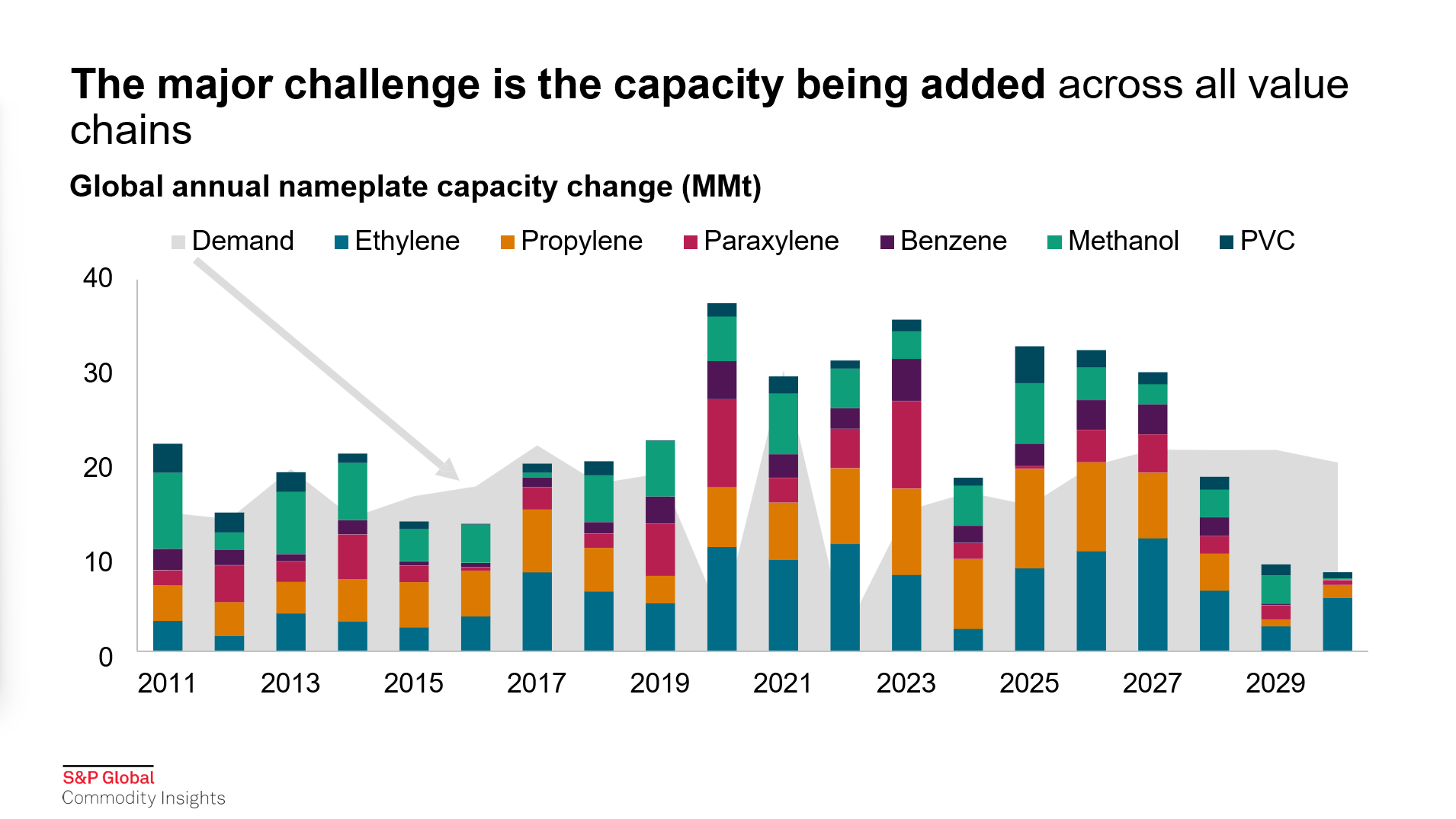
China’s massive capacity expansion has fundamentally altered global trade flows. The country has transitioned from a major importer to a net exporter of chemicals, contributing to global oversupply.
Nevertheless, further expansion is being moderated. Policy initiatives — including measures associated with the so-called «Anti-Involution» framework — may lead to the retirement of older, less efficient production units.
Looking ahead, the strongest structural demand growth will emerge from Africa and India. By 2030, these two regions together will account for nearly 40% of the world’s population, with Africa representing around 20% and India approximately 18%. Their economic expansion will drive long-term chemical consumption growth.
In response to global competitive pressures, Europe and parts of Asia are implementing large-scale rationalization programs. Millions of tons of capacity are being removed to restore competitiveness, while import dependency is gradually increasing.
Regional Perspectives
China & East Asia
China remains the global leader in self-sufficiency but, due to excess capacity, has become a net exporter influencing global trade flows and pricing structures. Korea and Japan are restructuring their chemical sectors following the loss of market share in China. India is expanding its chemical production base to support national economic growth.
Middle East & Africa
GCC countries continue to pursue resource-based industrial strategies, leveraging state-backed initiatives to reinforce petrochemical leadership and global market share. Africa’s economic growth will stimulate domestic demand and attract increased import flows from other regions.
North America
The narrowing feedstock advantage is increasing cost pressure. At the same time, technological innovation and process optimization remain key competitive strengths.
Europe
Capacity closures are accelerating. The region is pivoting toward higher-value specialties and green chemicals while increasing reliance on imports for commodity products.
Turkmenistan
Turkmenistan is emerging as a strategic resource player. Through a forward-looking «In Turkmenistan for Turkmenistan» investment model, the country is prioritizing domestic value creation and downstream development.
Conclusion
Producers worldwide are investing in long-term growth while accepting short-term oversupply in order to secure and expand market share. China will remain the primary demand hub. North America will focus on innovation and efficiency. Europe and parts of Asia will continue to right-size their chemical industries. Resource-rich countries such as Turkmenistan are expected to strengthen their positions in alignment with national industrial strategies.
VISIT ALSO


TOP NEWS
INDUSTRY NEWS
13 Aug, 2026
INTERVIEWS
06 May, 2026
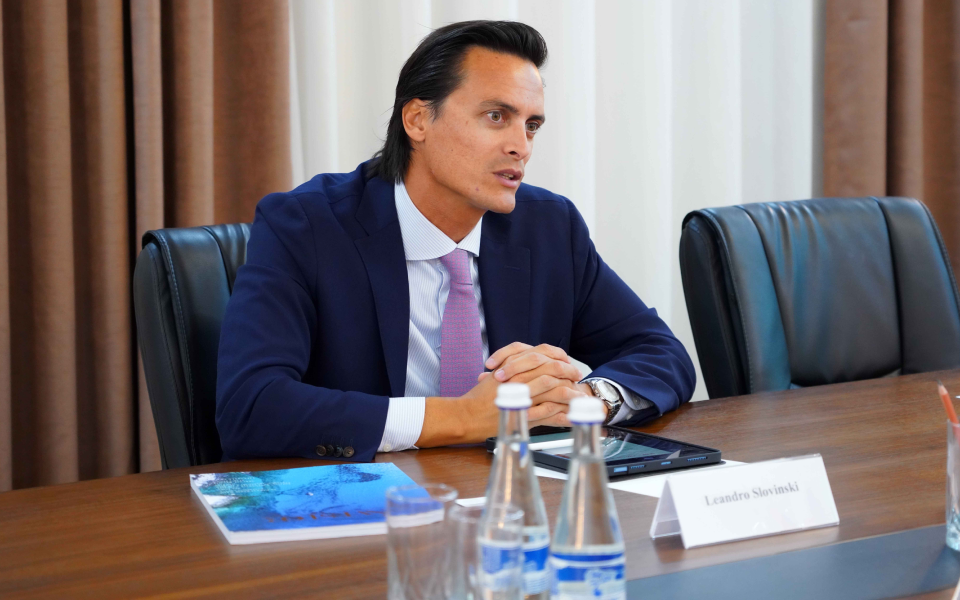
Strengthening Global Energy Dialogue: The Investor on Turkmenistan’s Rising Investment Profile
ENERGY
03 Jul, 2026
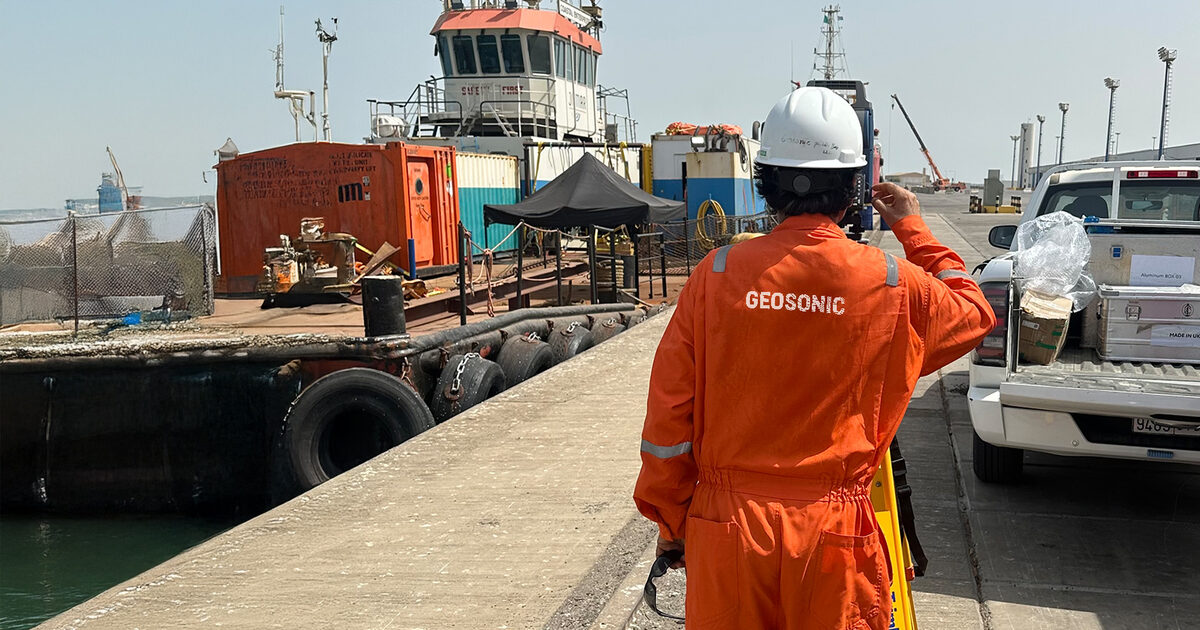
Geosonic to Survey More Than 200 Kilometers of Offshore Pipelines in Turkmenistan
TENDERS
30.04.2026
17.06.2026
Turkmengas Announces Tender for Purchase of Material and Technical Resources

Archabil Avenue 56, Ashgabat, Turkmenistan
01.05.2026
17.06.2026
Türkmennebit Reannounces International Tender for Automated Database System Modernization
Archabil Avenue 56, Ashgabat, Turkmenistan
01.05.2026
19.06.2026
Turkmengas Announces Tender for Purchase of General Plant Equipment
Archabil Avenue 56, Ashgabat, Turkmenistan
16.05.2026
02.07.2026
Türkmennebit Reannounces International Tender for Purchase of General Plant, Technological and Drilling Equipment
Archabil Avenue 56, Ashgabat, Turkmenistan
20.05.2026
03.07.2026
Turkmengas Announces Tender for Purchase of Material and Technical Resources
Archabil Avenue 56, Ashgabat, Turkmenistan
21.05.2026
06.07.2026
Turkmengas Announces Tender for Purchase of General Plant Equipment
Archabil Avenue 56, Ashgabat, Turkmenistan
02.06.2026
13.07.2026
Turkmengas Announces Tender for Purchase of Material and Technical Resources
Archabil Avenue 56, Ashgabat, Turkmenistan
02.06.2026
13.07.2026
Türkmennebit Reannounces International Tender Purchase of Chemical Products and Auxiliary Materials
Archabil Avenue 56, Ashgabat, Turkmenistan


© 2026 All rights reserved.
Contacts
-
 +99312414008
 -
+993 71 62 22 38
-
 R.C. «Gurtly» 63. Ashgabat, Turkmenistan
